6 tips for creating an energy efficient home
Energy efficiency is one of the most important elements of a sustainable building. From small measures like sealing air ducts to preventing air leakages to larger initiatives such as installing renewable energy systems, every design decision can reduce environmental impact.
Designing your home with energy efficiency in mind helps lower energy bills, reduce your carbon footprint, and create a more comfortable living environment. Features such as passive solar design, natural ventilation, high-performance insulation, and energy-efficient appliances can keep your home cool in summer and warm in winter while using less energy.
Passive Solar Design
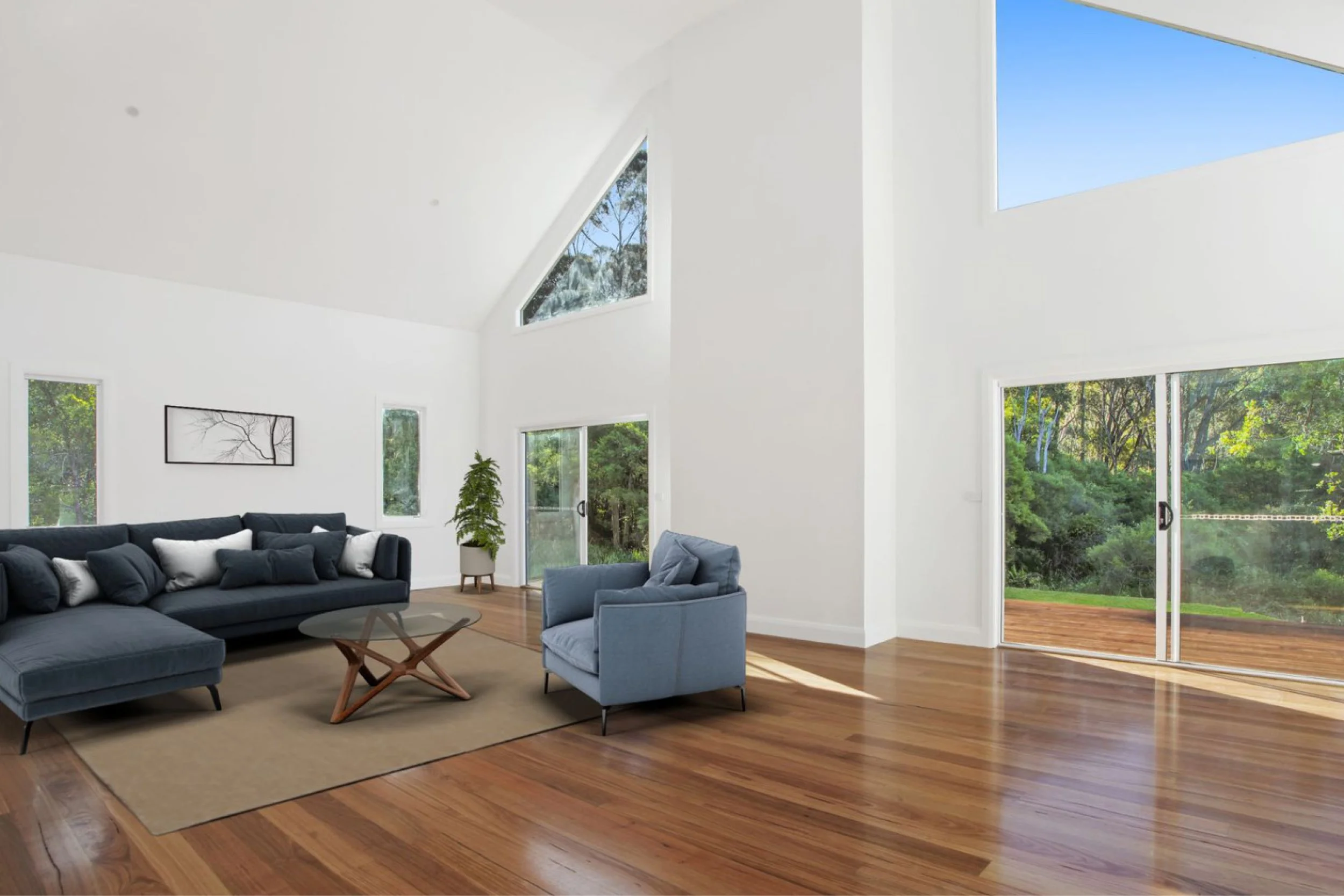
Passive solar design uses natural sunlight and airflow to heat and cool your home. When planned correctly, passive solar design can significantly reduce heating and cooling requirements. Key elements include:
Orienting the house to maximise winter sunlight
Using shading to reduce summer heat gain
Incorporating thermal mass materials to store heat
Designing effective ventilation pathways
Installing quality insulation
Energy-Efficient Design
An energy-efficient home minimises energy use through thoughtful planning and high-performance materials. These measures improve comfort while lowering energy consumption and long-term operating costs. Important features include:
High-quality insulation
Energy-efficient appliances
LED lighting
Airtight construction to prevent air leaks
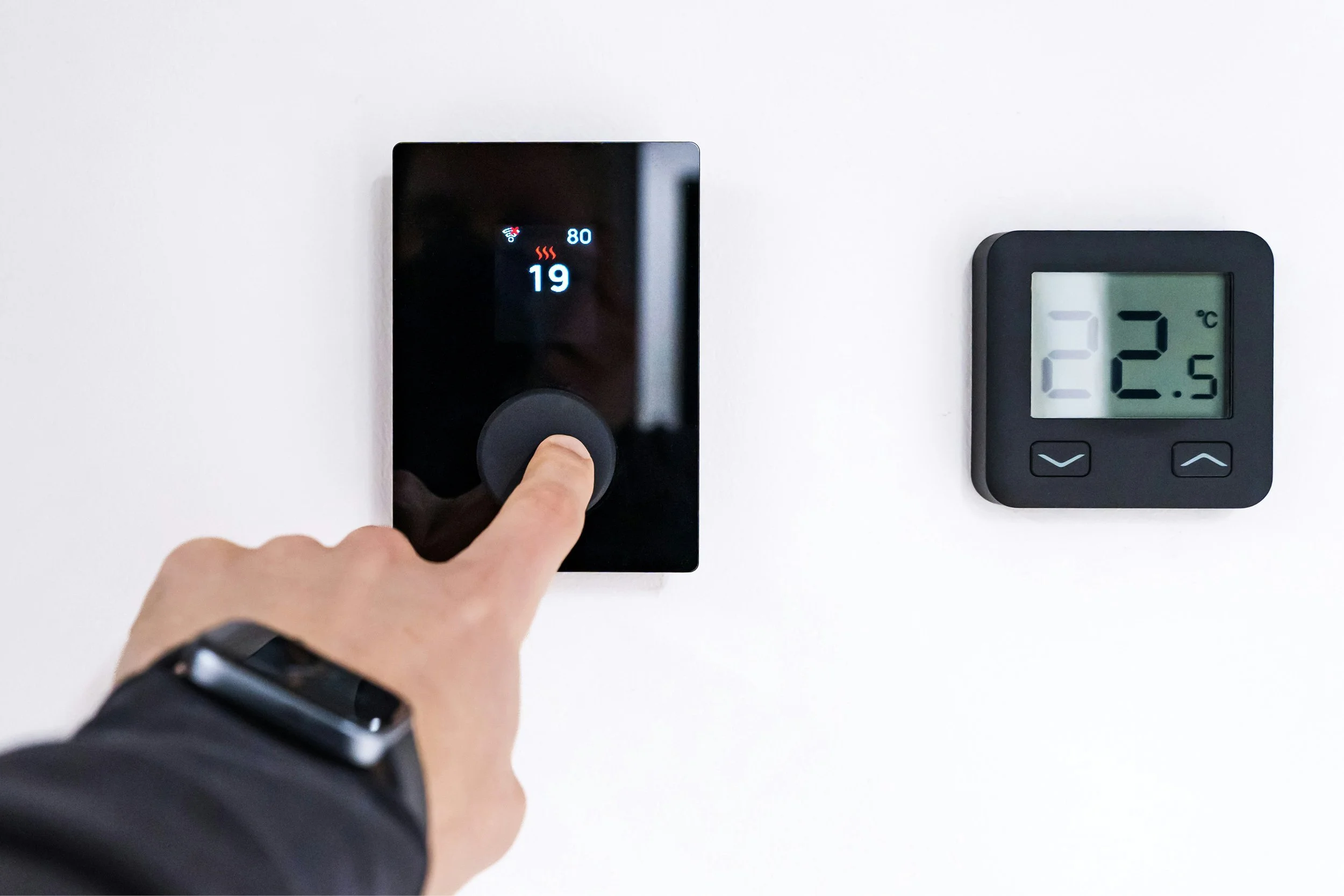
Efficient heating and cooling systems
Insulation
Insulation helps maintain a stable indoor temperature and reduces reliance on heating and cooling systems. Quality insulation improves comfort and significantly reduces energy use. For best results, install high-performance insulation in walls, floors, roof and ceiling spaces.
Windows and Doors
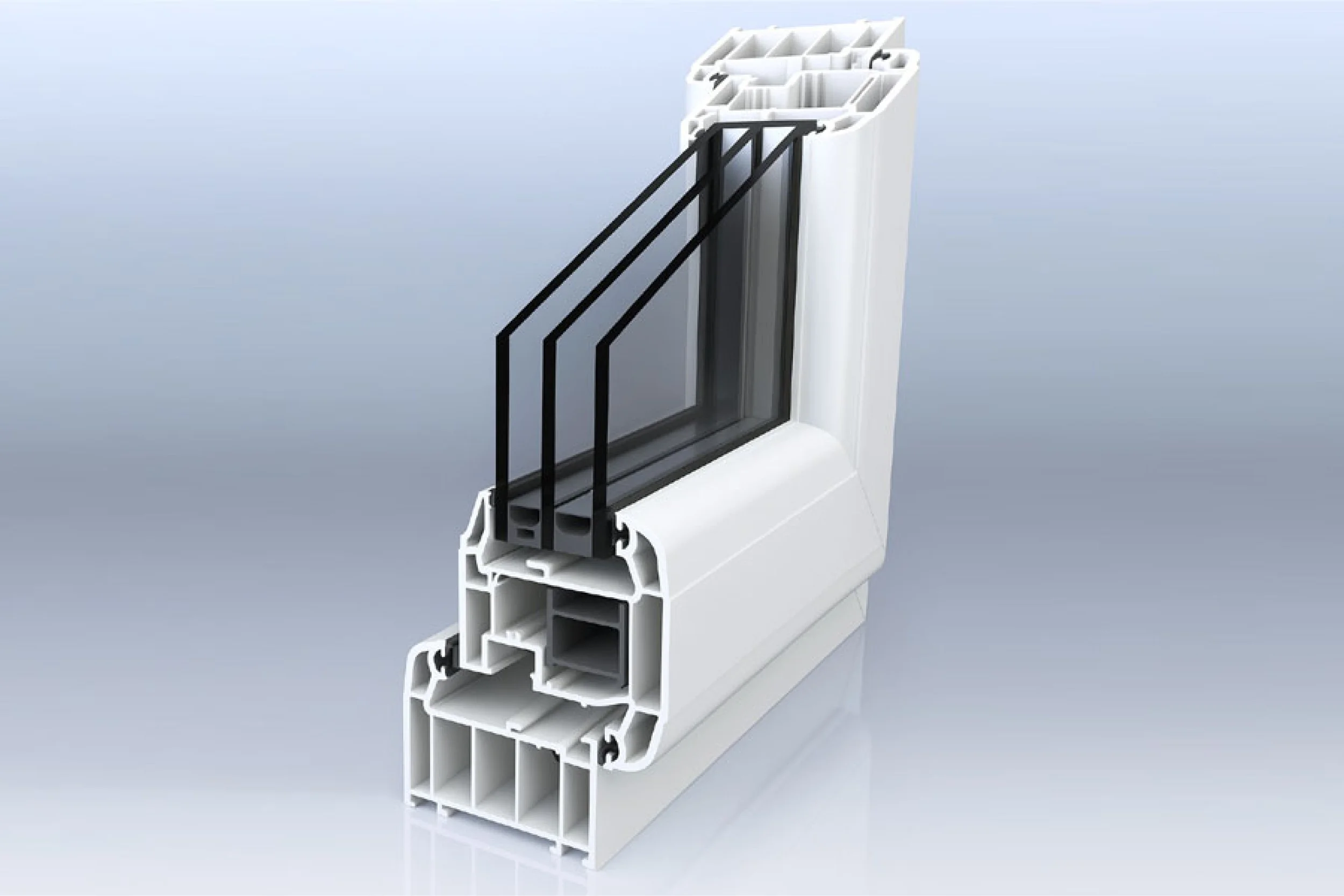
Windows can account for up to 50% of heat loss in a home, so choosing high-performance options can greatly reduce energy waste. Consider:
Double-glazed or triple-glazed windows
High-performance window frames
Proper sealing to prevent drafts
Lighting and Appliances
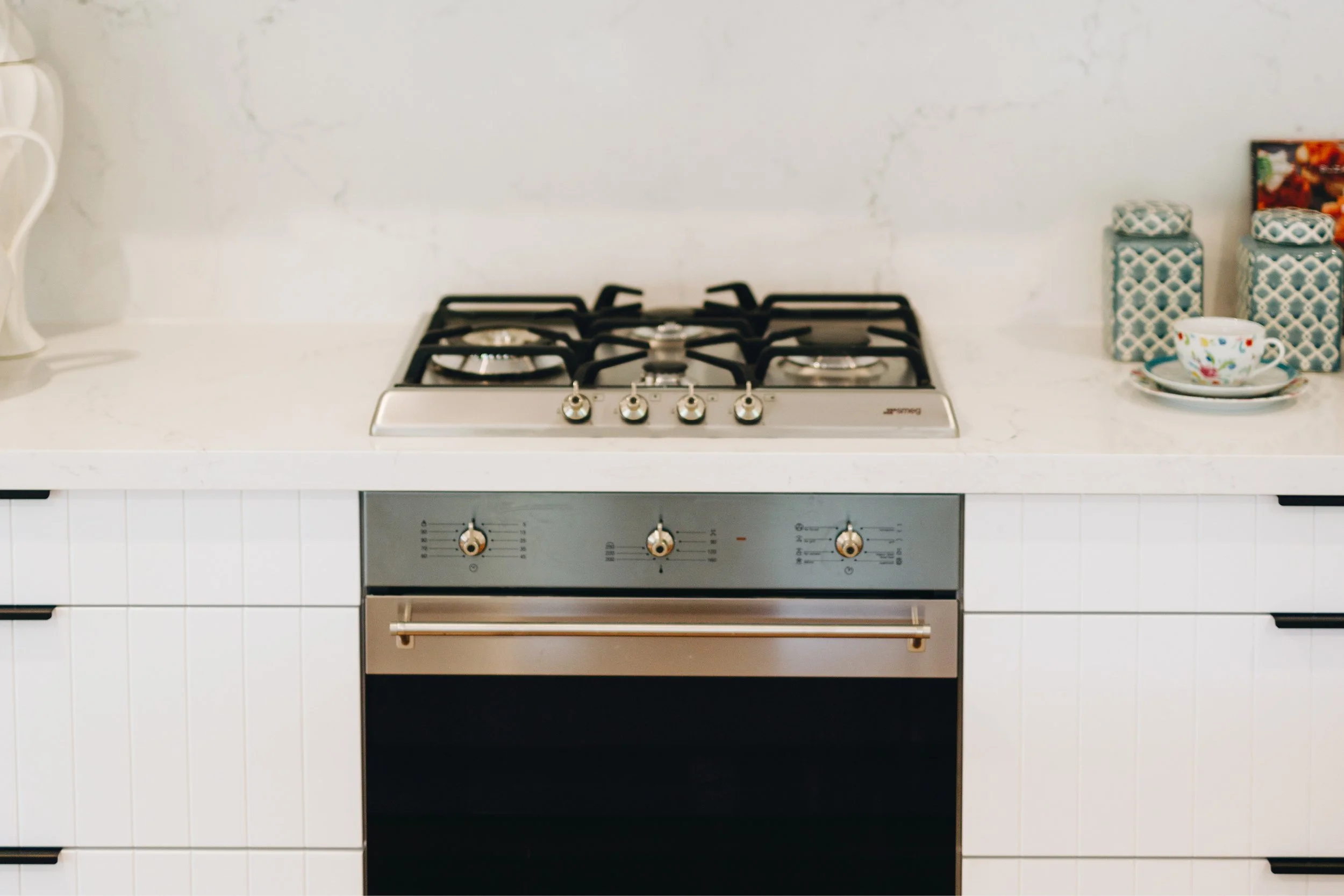
Modern sustainable homes use smart lighting and energy-efficient appliances to reduce electricity consumption. Energy-efficient appliances may cost more upfront but significantly reduce running costs over time. Key strategies include:
Installing LED lighting throughout the home
Using smart lighting systems that turn lights off when not needed
Choosing appliances with high energy-efficiency ratings
Solar Energy
Solar energy is one of the most effective ways to reduce household energy costs and environmental impact. Australia’s abundant sunshine makes solar power an ideal solution for sustainable homes. Many homeowners may also benefit from government incentives and renewable energy programs. Installing rooftop solar panels allows you to:
Generate clean, renewable electricity
Reduce reliance on the energy grid
Lower energy bills